Demand Response: The Grid's Dirty Secret No One Wants You To Engineer Properly
It's not about turning off a few lights; it's about orchestrating real-time load shifts across a distributed, heterogeneous fleet of assets, all while battli...
Deep dives into smart grid tech, renewable energy, battery systems, and IoT for the sustainability-minded engineer.
It's not about turning off a few lights; it's about orchestrating real-time load shifts across a distributed, heterogeneous fleet of assets, all while battli...
The gap between marketing hype and operational reality is a chasm, and it's costing real money and grid stability.
Let's talk about what an EMS *actually* does, why most implementations fall short, and how to build one that doesn't just look good on a dashboard, but keeps...
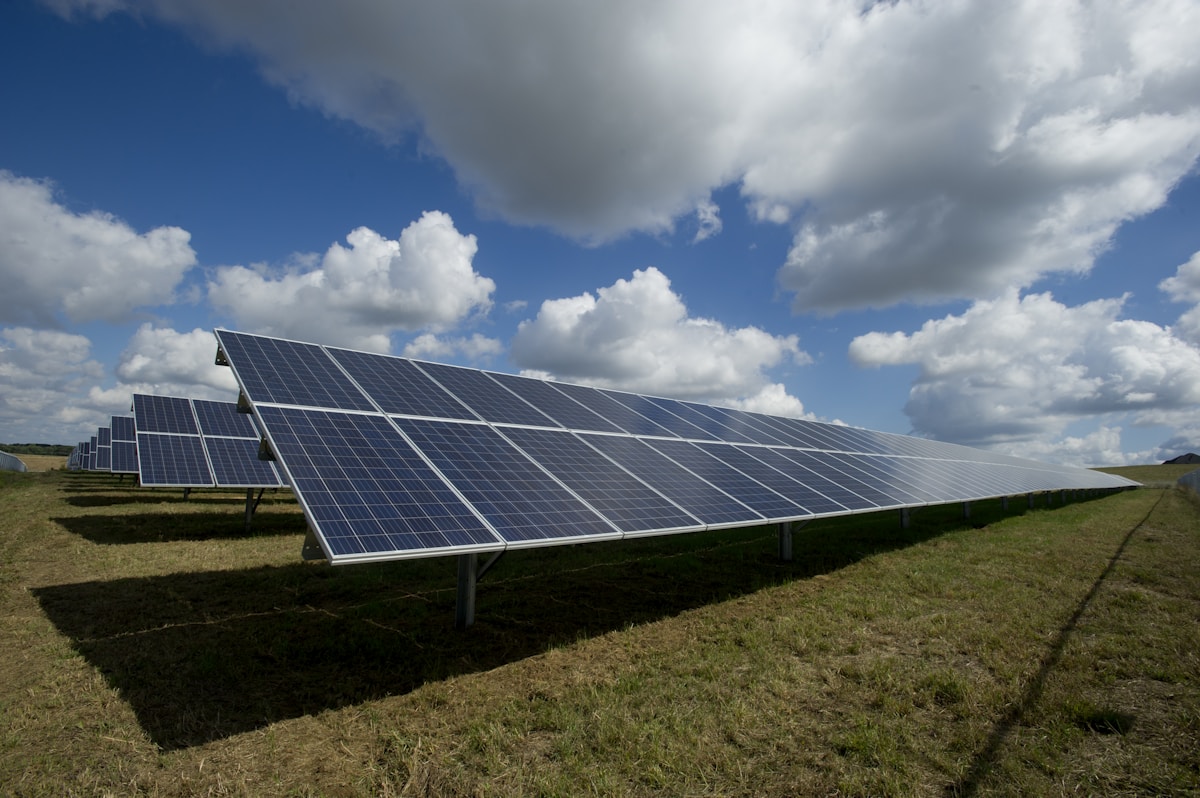
But for every glossy brochure picturing a solar array against a pristine mountain backdrop, there's a frustrated engineer staring at a tripped inverter, a de...
They work *well enough* under ideal conditions, but throw in a bit of real-world complexity – a passing cloud, a bird dropping, or God forbid, a partially sh...
Must be software," you sigh, handing the problem to the poor dev team.
Most of it is fluff designed to sell you another black box with a shiny UI and a hefty price tag.
While everyone obsesses over blackouts, your equipment is quietly being hammered by transient dips, leading to nuisance trips, corrupted batches, and cumulat...
When these systems fail, it's not just a drop in power output; it's often a catastrophic mechanical failure, a grid disturbance, or both.
How I reduced grid instability by 40% using ML-based demand forecasting—and the ground fault that almost ruined everything.
The truth about lithium-ion calendar aging, cycle counting myths, and how I caught a battery manufacturer fudging their warranty calculations.
A critical analysis of Maximum Power Point Tracking algorithms. Perturb & Observe vs Incremental Conductance vs fractional open-circuit. Spoiler: all of them are wrong, just differently wrong.